
Why Bill Gates’ Pivot to Climate Adaptation Matters for PIB Risk
Bill Gates just flipped the proverbial climate coin, and it landed on adaptation.
In his recent "Three Tough Truths About Climate," Gates urges a shift in global priorities from mitigating emissions to a goal that "should be to prevent suffering, particularly for those in the toughest conditions who live in the world's poorest countries."
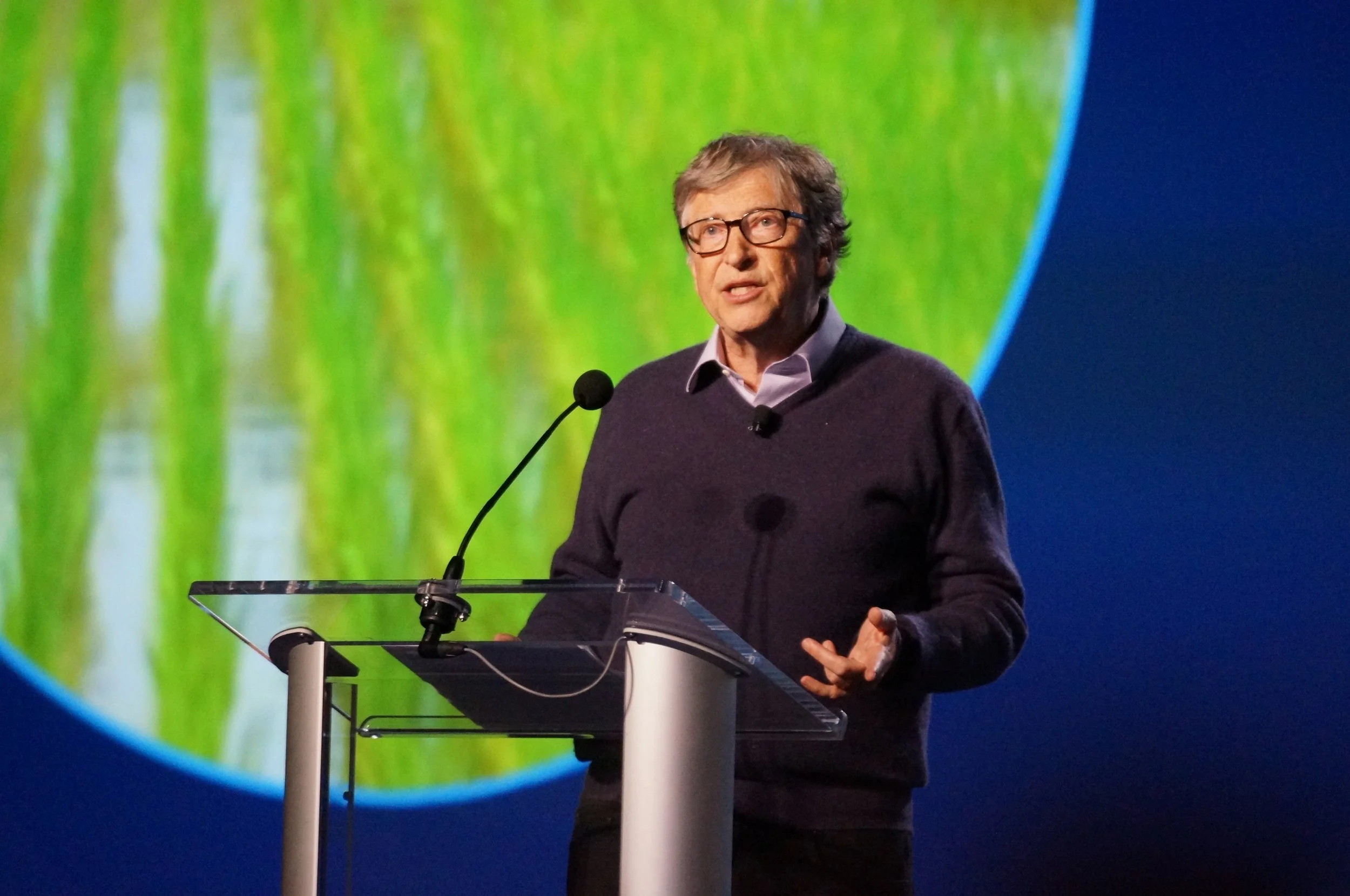
‘Three Tough Truths About Climate’ and the shift away from mitigation towards adaptation wasn’t without criticism from those in the former category
Ten years ago, the IEA projected 50 billion tons of CO₂ by 2040. Today that forecast has dropped to 30 billion. Innovation is working for mitigation, we've driven the green premium down. Gates argues we should now apply the same fervour to improving agriculture and health in poor countries.
At UpRoot Capital, we believe innovation and democratised data tools are precisely how we do that.
Direct deaths from disasters like wildfires, floods, and heat have fallen 90% to 40,000-50,000 annually, even while the planet warms. First-order climate impacts are increasingly managed through better infrastructure and warning systems.
Yet indirect deaths from climate risk haven't followed the same pattern. Gates notes that "people caught in storms and floods are more likely to die from a waterborne disease than from drowning" and that "floodwaters contaminate drinking water, creating ideal breeding grounds for cholera and rotavirus."
At UpRoot we’re not arguing that storms and floods aren’t important- of course they are, we’re merely suggesting that PIB risks as a ‘second order’ effect deserve to be mentioned with the same feverous zeal that the climate tech ecosystem battles against first oder impacts, they are in fact more dangerous to human lives.
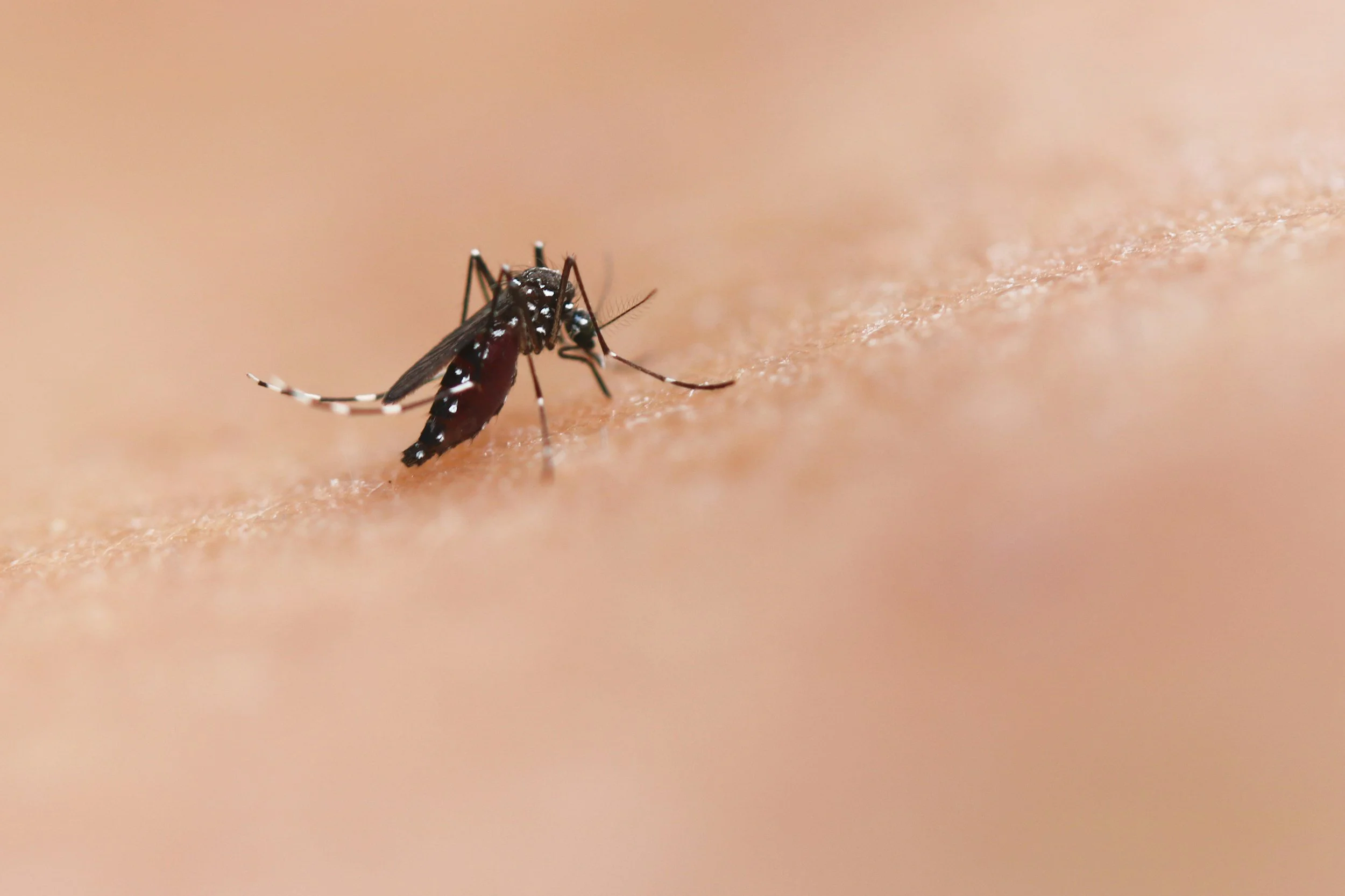
Asian Tiger Mosquito, Climate change is projected to cause 550,000+ additional malaria deaths by 2050, with 90% from extreme weather disrupting existing controls.
It is perhaps no surprise then that it is in the second-order effects—the biological risks—where we need new solutions.
Livelihoods are on the front line of these risks and Gates puts agribusiness at the centre. "Today's farmers don't have time to wait for the climate to stabilise. They need to raise their incomes and feed their families now."
Gates showcases Kenya's climate-resilient maize and AI pest warnings in India, and some of the tech we’ve seen come across our desk goes further:
Pheromone-based mating disruption technologies preventing pest reproduction without chemicals.
Next-gen biological pesticides with species-specific targeting.
AI diagnostics for early detection of crop diseases and invasive species.
Biosecurity monitoring for PIB risk prediction in aquaculture.
Climate-adaptive biocontrols as pest ranges shift.
Gates believes scientific innovation will curb climate change if we direct capital toward the greatest impact and that's what UpRoot is backing: companies building biological security defences as ecosystems destabilise.
At its core, our thesis is about survival. Like Gates in "Three Tough Truths," we're focusing on innovations that protect lives and livelihoods from climate-driven biological threats.
